Tuesday, November 10, 2009

Diabetes Mellitus-Type II


What is Diabetes Mellitus-type II?
Diabetes Mellitus-type II is a disorder with hereditary and environmental factors characterized by abnormal insulin secretion, elevated blood glucose levels, and a variety of potential complications of various organ systems . A person with type II diabetes mellitus is not dependent on insulin (non-insulin-dependent diabetes mellitus, NIDDM) as is someone with type I (insulin-dependent diabetes mellitus, IDDM). Diabetes may be a primary or secondary diagnosis.


Cause?
This disease has no distinct etiology, pathogenesis, specific clinical findings or laboratory tests. The clinical syndrome always involves hypergylcemia, large vessel disease, disease of the retina and kidney, and neuropathy. Onset is usually after age 30.


ASSESSMENT

Areas:
  • muscle strength by groups of muscles.
  • fine motor skills, manipulation, dexterity, and bilateral coordination.
  • grip and pinch strength .
  • balance and postural control.
  • sensory registration.
  • sensory processing ( tactile, pain, proprioceptive, vibration) of the feet, hands, and limbs.
  • perception skills, especially visual
  • self concept.
  • role behavior.
  • daily living skills.
  • productivity history, skills, interests, and values.
  • leisure interests and skills.

Instruments
No specific instruments developed by occupational therapists were identified in the literature. The following types instruments may be useful:
  • dynamometers and pinch meters.
  • two-point discrimination tool, such as Disk-Criminator or Boley gauge.
  • coordination/dexterity tests, such as the Purdue Pegboard Dexterity Test.
  • balance beam and tilt board.
  • activities of daily living scale.
  • occupational history.
  • leisure checklist.


PROBLEMS

Motor:
  • The person may have general weakness and loss of weight.
  • The person usually has decreased endurance and physical tolerance and fatigues easily.
  • The person may have loss of reflexes or reactions.
  • The person may have muscle aches and pains.
  • The person may have specific muscle weaknesses, such as in the intrinsics of the foot (diabetic neuropathy).
  • The person may have flexion contractures in the hand.
  • The person may have impaired circulation associated with diabetes, which may cause myocardial or cerebral infarction or result in amputation of a leg.
  • The person may have renal disease associated with diabetes.

Sensory:
  • The person may have loss of vision and other eye changes (diabetic retinopathy, diabetic retinitis, diabetic cataract).
  • The person may have loss of the sense of touch.
  • The person may experience paresthesia, hyperesthesia, or hypoesthesia.
  • The person may lose vibration and position sense.
  • The person may have decreased sensitivity to pain in the extremities but experience chronic pain in other parts.
  • The person may have decreased temperature sensation.

Cognitive:
Cognitive faculties are not affected directly by the disorder.


Intrapersonal:
  • The person mat fear being dependent on insulin.
  • The person may have anxiety about living with diet restrictions.
  • The person may become depressed or angry. (why me?)
  • The person may become irritable.
  • The person may be easily be discouraged.
  • The person may worry about the future.


Interpersonal:
The person may have decreased social activities due to fatigue or diet restrictions.


Self-Care:
The person may learn to administer insulin, whether orally or by injections.


Productivity:
The person may be unable to perform productive activities due to fatigue.


Leisure:
The person may have stopped participating in his/her favorite leisure activities due to fatigue.


TREATMENT/MANAGEMENT
Models of treatment do not appear to be well established but include aspects of compensation/substitution, biomechanical, and human occupation models.


Motor:
  • Increase muscle strength through the use of specific activities.
  • Increase endurance and physical tolerance through the use of functional activities.
  • Provide a home program to maintain movements of feet and ankles and decrease edema, such as picking up small objects with the toes or rolling a bottle back and forth with the feet.
  • Biofeedback ma be helpful in increasing circulation, maintaining temperature in the extremities, decreasing heart rate and pressure; and maintaining or increasing muscle contraction.
  • Serial casting may be used to prevent contractures and increase joint mobility during or after ulcer healing of the foot.

Sensory:
  • Maintain sensory awareness, especially in the feet,through the use of foot activities and games or biofeedback.
  • If sensory loss has occurred, provide opportunity to practice compensatory skills using remaining sensory systems as backups or substitutes.


Cognitive:
  • Instruct the person on concepts of energy conservation and work simplification.
  • If sensory loss has occurred, instruct the person on safety requirements necessary to avoid injury.
  • Instruct the person in time management to organize cycles of rest and activity.
  • Assist in instructing the person to modify diet according to recommended guidelines,including changing recipes and planning meals menus.
  • Assist in instructing the person secondary complications of diabetes, such as decreased tactile awareness(routine visual inspection especially of the feet needed), circulation impairment ( shoes designed to protect against pressure should be worn), and visual problems (relationship of increased systolic pressure to retinal aneurysms).
  • Instruct the person on the relationship of exercise to blood sugar level.


Intrapersonal:
  • Maintaining or increase the person's self-concept and sense of mastery.
  • Maintaining or increase the person's self-identity and sense of self-responsibility.
  • Increase the person's coping skills needed to adjust to life with disability but not a handicap.
  • Provide instruction and practice in relaxation techniques to reduce stress.


Interpersonal:
  • Encourage the person to maintain dyadic relationship.
  • Support group interaction, including a support self-help group for persons and families with diabetes.
  • Assist the family to adjust roles and functions to maintain the person's active participation in the family unit.

Self-Care:
  • Provide adapted equipment, if neccessary, to facilitate performance of self-care activities.
  • Encourage the person to maintain independence in activities of daily living.


Productivity:
  • Explore possible needs for modifications in the work or home environment to conserve energy and simplify work tasks.
  • If the current jobs situation is dangerous to the person's health, explore alternative vocational interests.
  • Encourage the person to participate in home-management tasks.

Leisure:
  • Assist the person to determine which leisure interests must be modified or discontinued.
  • Assist the person to explore new interests to replacethose that cannot be continued.
  • Provide information on available community programs and resources.


PRECAUTIONS :
  • Observe the person for symptoms of insulin shock
  • Observe safety rules.


PROGNOSIS AND OUTCOME:
  • The person has sufficient strength and endurance to perform activities of daily living.
  • The person demonstrates the use of good energy-conservation and work-simplification techniques during functional activities.
  • The person demonstrates time-management skills in regulating physical activities according to rest and activity cycles based on insulin and diet considerations.
  • the person demonstrates knowledge regarding skin care to prevent skin breakdown.
  • The person has learned compensatory skills for any sensory loss and can perform activities safely.
  • the person has learned coping skills to live within restrictions of the disease without becoming handicapped.



Monday, November 9, 2009

Prostate Cancer


What Is the Prostate Gland?

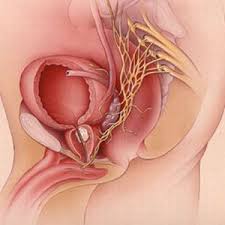
The prostate gland, a key part of the male reproductive system, is linked closely with the urinary system. It is a small gland that secretes much of the liquid portion of semen, the milky fluid that transports sperm through the penis during ejaculation.

The prostate is located just beneath the bladder, where urine is stored, and in front of the rectum. It encircles, like a donut, a section of the urethra. The urethra is the tube that carries urine from the bladder out through the penis. During ejaculation, semen is secreted by the prostate through small pores of the urethra's walls.

The prostate is made up of three lobes encased in an outer covering, or capsule. It is flanked on either side by the seminal vesicles, a pair of pouch-like glands that contribute secretions to the semen. Next to the seminal vesicles run the two vas deferens, tubes that carry sperm from the testicles. The testicles, in addition to manufacturing sperm, produce testosterone, a male sex hormone that controls the prostate's growth and function.

What Is Prostate Cancer?

A diagnosis of prostate cancer means that cancer cells have formed in the tissues of the prostate. Prostate cancer tends to grow slowly compared with most other cancers. Cell changes may begin 10, 20, or 30 years before a tumor gets big enough to cause symptoms. Eventually, cancer cells may spread (metastasize) throughout the body. By the time symptoms appear, the cancer may be more advanced.

Most prostate cancer never poses a problem. There are either no signs or symptoms, or the disease never becomes a serious threat to a man's health. A much smaller percentage of men are actually treated for prostate cancer. Most men with the condition, however, do not die from this disease.

No one knows the exact causes of prostate cancer. Doctors often cannot explain why one man develops prostate cancer and another does not. However, we do know that prostate cancer is not contagious. You cannot "catch" it from another person.

Know the Risk Factors

Research has shown that men with certain risk factors are more likely than others to develop prostate cancer. A risk factor is something that may increase the chances of developing a disease.

Studies have found the following risk factors for prostate cancer:

· Age: Age is the main risk factor for prostate cancer. This disease is rare in men younger than 45. The chance of getting it goes up sharply as a man gets older. In the United States, most men with prostate cancer are older than 65.

· Family history: A man's risk is higher if his father or brother has prostate cancer.

· Race: Prostate cancer is more common in African-American men than in white men, including Hispanic white men. It is less common in Asian and American Indian men.

· Certain prostate changes: Men with cells called high-grade prostatic intraepithelial neoplasia (PIN) may be at increased risk for prostate cancer. These prostate cells look abnormal under a microscope.

· Diet: Some studies suggest that men who eat a diet high in animal fat or meat may be at increased risk for prostate cancer. Men who eat a diet rich in fruits and vegetables may have a lower risk.

Scientists have also studied whether other factors might increase the risk for prostate cancer, including:

· BPH

· Obesity

· Smoking

· A virus passed through sex

· Lack of exercise.

At this time, however, these are not clear risk factors.

Also, most studies have not found an increased risk of prostate cancer for men who have had a vasectomy. A vasectomy is surgery to cut or tie off the tubes that carry sperm out of the testicles.

Common Symptoms of Prostate Cancer

For men who have prostate cancer symptoms, common symptoms include:

· Urinary problems

· Not being able to urinate

· Having a hard time starting or stopping the urine flow

· Needing to urinate often, especially at night

· Weak flow of urine

· Urine flow that starts and stops

· Pain or burning during urination

· Difficulty having an erection

· Painful ejaculation

· Blood in the urine or semen.

Other Prostate Cancer Symptoms

Prostate cancer can spread to the lymph nodes of the pelvis. Or it may spread throughout the body. It tends to spread to the bones. So bone pain -- especially in the back, hips, or upper thighs -- can be another symptom of prostate cancer.

Two tests can be used to detect prostate cancer in the absence of any symptoms:

· A digital rectal exam, in which a doctor feels the prostate through the rectum to find hard or lumpy areas

· A prostate-specific antigen (PSA) test, a blood test used to detect a substance made by the prostate.

Together, these tests can detect many "silent" prostate cancers, that is, those that have not caused symptoms.

Other Tests Used to Determine Prostate Cancer Stage

Other tests used for clinical staging of prostate cancer

are:

· Transrectal ultrasound

· Biopsy.

· Bone Scan

· Computed tomography (CT) scan

· Magnetic resonance imaging (MRI) scan

· Lymph node evaluation.

Specific Stages

The stages of prostate cancer are as follows:

· Stage I: The cancer cannot be felt during a digital rectal exam (DRE). It is found by chance when surgery is done for another reason, usually for benign prostatic hyperplasia (BPH). The cancer is only in the prostate.

· Stage II: The cancer is more advanced, but it has not spread outside the prostate.

· Stage III: The cancer has spread outside the prostate. It may be in the seminal vesicles. It has not spread to the lymph nodes.

· Stage IV: The cancer may be in nearby muscles and organs (beyond the seminal vesicles). It may have spread to the lymph nodes. It may have spread to other parts of the body.

· Recurrent: The cancer has come back (recurred) after a time when it could not be detected. It may recur in or near the prostate. Or it may recur in any other part of the body, such as the bones.

Prostate Cancer Treatment

The treatment option that is right for you depends on:

· The stage of the cancer

· The grade of the tumor

· Your symptoms of prostate cancer

· Your general health.

The treatment that is best for one man may not be best for another. Your doctor will describe your treatment choices and the expected results.

Treatment for prostate cancer may involve:

· Watchful waiting

· Surgery

· Radiation therapy

· Hormone therapy

In addition, you may have a combination of treatment methods.

You should consider both the expected benefits and possible side effects of each treatment option. You may want to discuss with your doctor the possible effects on sexual activity. You can work with your healthcare provider to create a prostate cancer treatment plan that reflects your medical needs and personal values.

Prostate Cancer Treatment by Stage: Stage I

Treatment for stage I prostate cancer may include the following:

· Watchful waiting.

· Radical prostatectomy, usually with pelvic lymphadenectomy, with or without radiation therapy after surgery. It may be possible to remove the prostate without damaging nerves that are necessary for an erection.

· External beam radiation therapy.

· Implant radiation therapy.

Prostate Cancer Treatment by Stage: Stage II

Treatment for stage II prostate cancer may include the following:

· Radical prostatectomy, usually with pelvic lymphadenectomy, with or without radiation therapy after surgery. It may be possible to remove the prostate without damaging nerves that are necessary for an erection.

· Watchful waiting.

· External beam radiation therapy.

· Implant radiation therapy.

Prostate Cancer Treatment by Stage: Stage III

Treatment for stage III prostate cancer may include the following:

· External beam radiation therapy (with or without hormone therapy)

· Hormone therapy

· Radical prostatectomy, usually with pelvic lymphadenectomy (with or without radiation therapy after surgery)

· Watchful waiting

· Radiation therapy, hormone therapy, or transurethral resection of the prostate (TURP) as palliative therapy to relieve symptoms caused by the cancer.

Prostate Cancer Treatment by Stage: Stage IV

Treatment for stage IV prostate cancer may include the following:

· Hormone therapy

· External beam radiation therapy -- with or without hormone therapy

· Radiation therapy or transurethral resection of the prostate (TURP) as palliative therapy to relieve symptoms caused by the cancer

· Watchful waiting.

Prostate Cancer Treatment by Stage: Recurrent

Treatment for recurrent prostate cancer may include the following:

· Radiation therapy

· Prostatectomy for patients initially treated with radiation therapy

· Hormone therapy

· Pain medication, external radiation therapy, internal radiation therapy with radioisotopes such as strontium-89, or other treatments as palliative therapy to lessen bone pain.

Prostate Cancer Follow-up Care

Prostate cancer follow-up care after treatment is important. Even when the cancer seems to have been completely removed or destroyed, the disease sometimes returns because undetected cancer cells remained somewhere in the body after treatment.

Your doctor will monitor your recovery and check for recurrence of the cancer. Checkups help ensure that any changes in your health are noted and treated if needed. Checkups may include:

· Lab tests

· X-rays

· Biopsies

· Other tests.

Between scheduled visits, you should contact your doctor if you have any health problems or unusual changes in your body.

Side Effects of Prostate Cancer Treatment

Because treatment forprostate cancer often damages healthy cells and tissues, side effects are common. Side effects depend mainly on the type and extent of the treatment. Side effects may not be the same for each man, and they may change from one treatment session to the next.

At any stage of disease, supportive care is available to:

· Control pain and other symptoms

· Relieve the side effects of treatment

· Ease emotional concerns.

Research on Prostate Cancer

Much of the research done on prostate cancer involves probing basic causes of the disease and testing drugs to control or reduce risk. Some research studies are exploring numerous links between genes and the development of prostate cancer. Other research studies are testing the effects of a low-fat, high-soy diet among men who have an increased risk of the disease.


^ Scroll to Top